CCTV News:The emergency department is the department with the most concentrated sudden diseases, the most unexpected situations and the heaviest rescue task. Between life and death, it is not only a cold place to fight, but also full of the warmth and brilliance of human nature.
The emergency department of Beijing Children’s Hospital receives nearly 200,000 children from all over the country every year on average, and rescues more than 20,000 critically ill children. Behind this data, there are not only the support of hospital internal medicine rotation doctors, but also Wang Quan’s efforts as the director of emergency department of Beijing Children’s Hospital for four years.
Pediatrics is also called "dumb department", because children often can’t tell exactly what’s wrong with them, and the diagnosis and treatment of the disease require doctors’ experience and emergency handling ability.
Wang Quan’s rounds are like sifting through a sieve, without missing a critically ill patient. There are 10 beds on the first floor, 30 observation beds and 10 beds in the emergency intensive care unit on the second floor. Wang Quan always makes rounds at 8 am and 4 pm, at least twice a day.

During the rounds, Wang Quan asked the parents about the child’s condition, while checking the body of the child. In order to make the child not feel afraid, Wang Quan moves very quickly, and often has finished the inspection before the baby has figured out what is going on.
"When it comes to critical illness, parents are anxious and children can’t stand it. Doctors must rely on their own hands, eyes and ears to judge and accurately diagnose the condition as soon as possible. " Wang Quan said that in Beijing Children’s Hospital, there are a large number of emergency departments and many patients from other places, and the patients’ mood is very urgent.
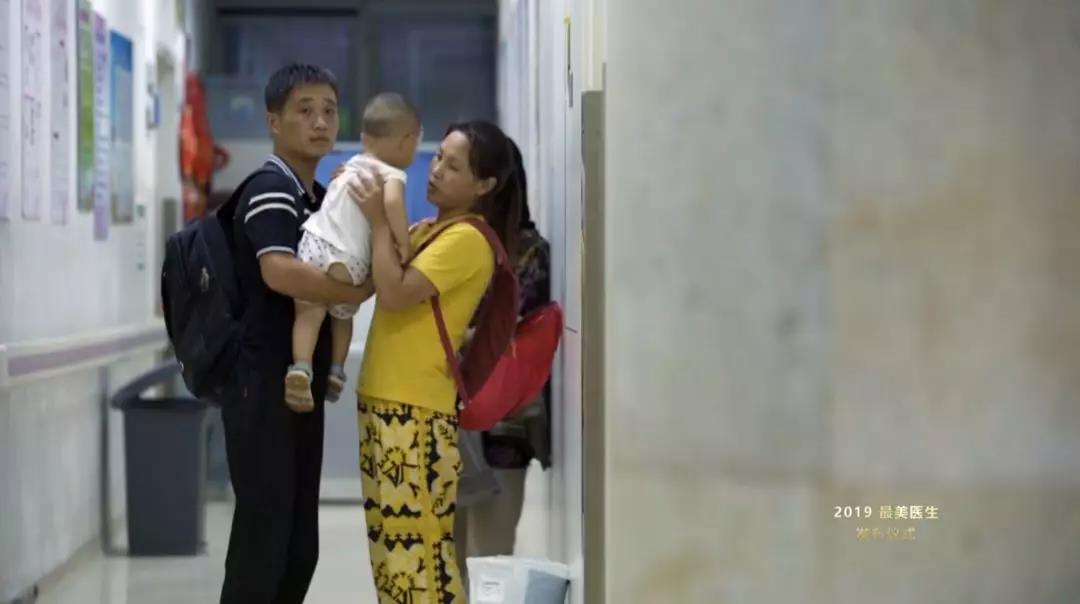
At this time, doctors should show their comprehensive ability, "first, they must have skills, second, they must be calm, and third, they must be patient and indispensable."
Meeting the challenge again and again, saving the day again and again, defeating the disease, saving the children and saving the family behind, which is not unrelated to Wang Quan’s profound "internal strength".
She has studied in children’s hospitals in Singapore, the United States and other countries. She not only has rich clinical experience in the diagnosis and treatment of children’s critical diseases and mechanical ventilation, but also participated in the compilation of practical pediatrics (eighth edition), clinical diagnosis and treatment thinking of pediatric internal diseases and other monographs, such as Rosen’s emergency medicine and Handbook of Children’s Infection.

The situation of children in pediatric emergency department is changing rapidly, and the communication between doctors and patients is easy to "catch fire". For doctors, the most important thing in communication is to be frank and treat patients as their own children.
"It is not easy for patients, so pay attention to empathy. Many patients come to Beijing Children’s Hospital to find the last hope, which puts higher demands on doctors, and we must take this responsibility. " Wang Quan often said to colleagues in the department.
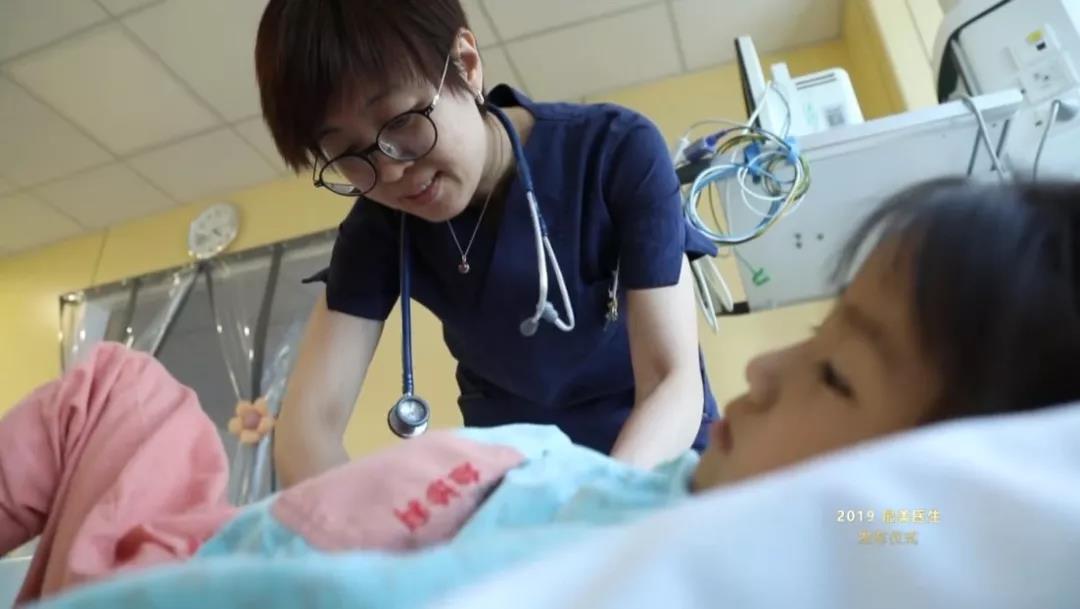
Wang Quan’s sincerity earned the sincerity of children and parents. Not long ago, a girl who was rescued by Wang Quan 13 years ago came to the hospital to see her, thanking her for saving her life when she was seriously ill.
The primary school students in those days have now become slim girls, and Wang Quan recognized each other at a glance. The girl wrote on WeChat: "How lucky I am to meet Wang Dafu. What about saving my life? Pay tribute to medical workers like Wang Dafu! " The name of her note to Wang Quan’s WeChat is "The Best Wang Dafu".
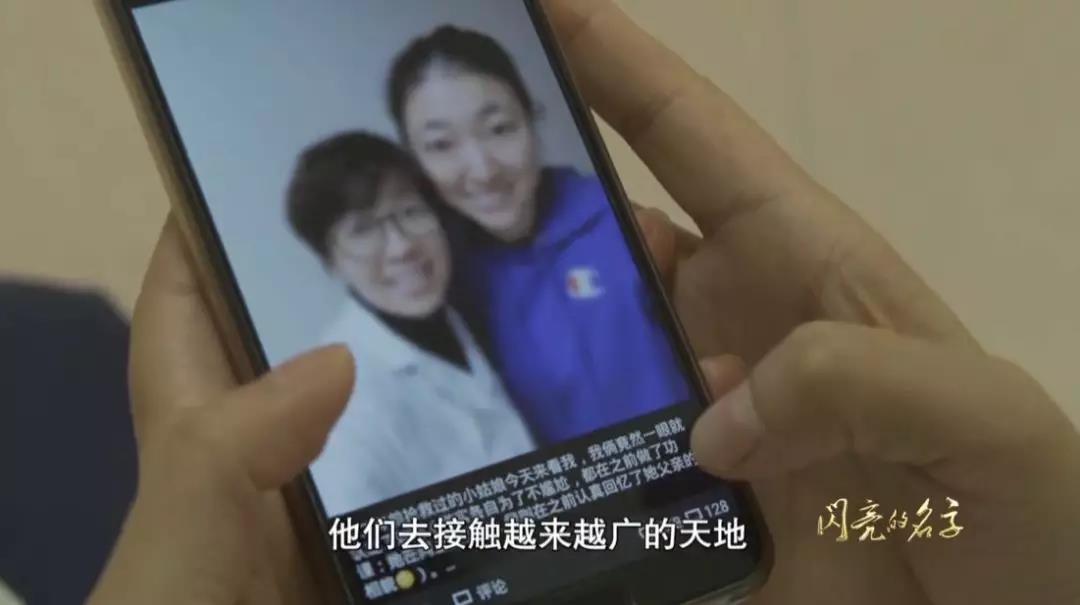
"Because we helped her when she was growing up, she said that meeting us was a great blessing in life, and it is not a blessing in life for our medical workers!" Wang Wei said.
Speaking of the charm of pediatricians, Wang Quan recalled a three-year-old child she met shortly after she started working — — The child cried during the infusion. Wang Quan coaxed her to say that the baby didn’t cry. The child said, "I didn’t cry, I just had rain in my eyes." The child’s words made Wang Quan completely fall in love with this profession.

After graduating from medical college, Wang Quan has been working in the intensive care department. Although she was psychologically prepared, she was still not comfortable when she first came to the emergency department. "On the one hand, it is the pressure of emergency treatment, and we should solve the problems of all patients as soon as possible; On the other hand, it is the pressure of medical safety risks. Children will not take the initiative to communicate with you, and communication and inspection will take more time. "
In the emergency department of Beijing Children’s Hospital, rescue is graded according to color, with red, yellow and green representing the severity of patients respectively. Under the guidance of triage nurses, waiting by color, orderly emergency treatment can save more critically ill patients.
Open the exit of emergency treatment, fewer and fewer patients are stranded in emergency, emergency resources are rationally allocated, and the efficiency is greatly improved. The number of patients admitted to hospital has increased from 4,725 in 2016 to 6,852 in 2018. In 2017, the proportion of patients who stayed in the emergency department for more than 72 hours decreased by 50% compared with 2016, and more critically ill children received specialist treatment in the shortest time.
However, medicine has its limitations, and where will you go is often found in the emergency department. Wang Quan felt that in the face of many diseases, the medical function is limited, but doctors must do their best. "Don’t give up any possibility of life", which is what Wang Quan learned from his mentor — — Professor Qian Suyun, the winner of the top ten most beautiful doctors in China in 2016 and director of the Department of Critical Care Medicine of Beijing Children’s Hospital, has learned one of the biggest gains.
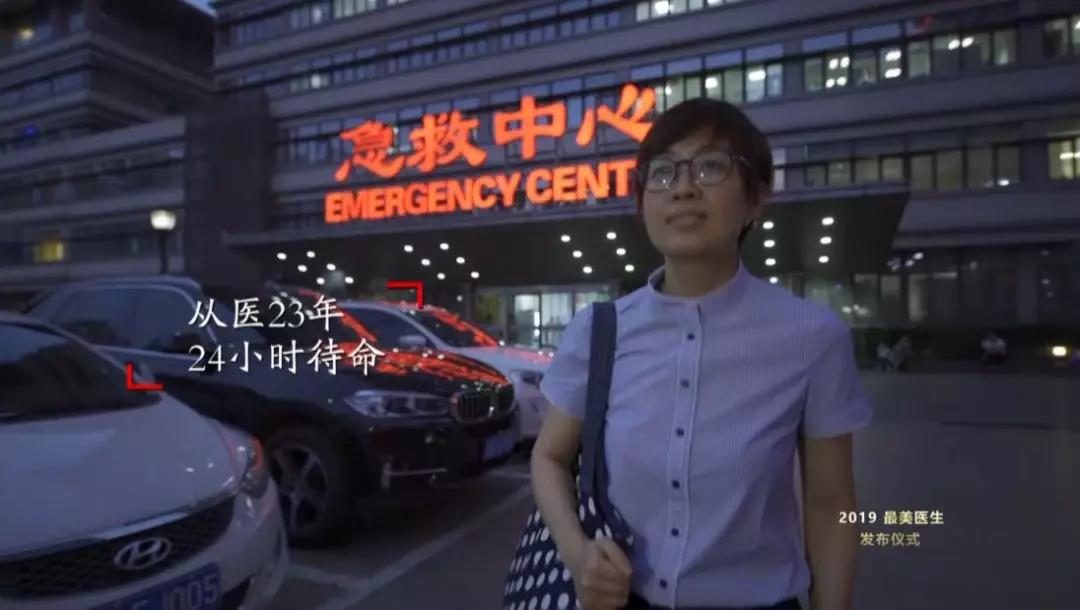
After 23 years as a doctor, Wang Quan left her best years in Children’s Hospital, and devoted her youth and dreams to the cause of pediatric emergency and serious illness, Do not forget your initiative mind.
Seeing a life saved and walking out of the emergency room, he can live a normal life again. Occasionally, you will feel that everything is worth it.

Director of emergency department of Beijing Children’s Hospital for 4 years.
Wang Quan leads the team.
a race against time
fight with death
Face life and death without fear
Save the patient from danger.